Product Suite
Why Build on IOTA?
Real World Adoption

Empowering secure, private, and decentralized digital interactions
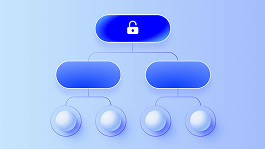
Delegating trust in digital ecosystems

Creating verifiable and immutable on-chain records

Representing real-world assets on chain

Simplifying Web3 user experience and onboarding
Building Solutions on IOTA


















Pools Finance
Efficient Liquidity Infrastructure for DeFi

Virtue
Rise above financial barriers

TWIN
Seamless transfer of digital trade data across borders

Salus
Closing the Trade Finance Gap with Tokenization

Orobo
Digital passports for regulation-ready products
Impierce
Open-source identity for a digital society
IOTA solutions for a pan-European blockchain
Privacy-preserving on-chain authentication
Automated and transparent rights contracts and payments
Secure, transparent product lifecycle data for a circular economy
Core Workshop 01
Publish, authorize, mint, and verify — implement a core Move function as part of a hands-on package publish on IOTA.
Core Workshop 02
Create a shared Registry, index student-to-grant IDs, and compose an atomic Programmable Transaction Block (PTB) that mints and indexes in one go.

Join Us in Building on the IOTA Mainnet
We invite innovators to showcase real-world impact with IOTA
The IOTA Business Innovation Program offers technical resources, community support, and funding to help you bring your vision to life.
A trust layer for the world: Cutting-edge technology
with proven real-world adoption

Define rich and composable on-chain assets
Verification of tokenized asset authenticity
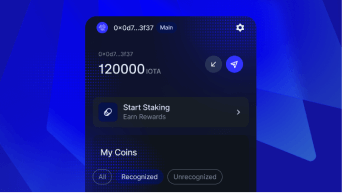
Frictionless onboarding with the IOTA wallet

Exceptional scalability, instant settlement
A Versatile Ledger for the Future That Works Today
A mainnet built for flexibility and interoperability